
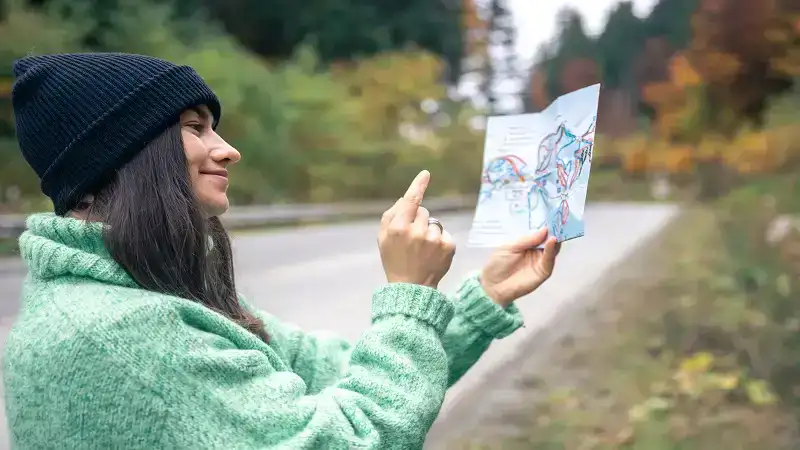
Maps have historically been indispensable tools in aiding human comprehension of their surroundings. Planning trips, teaching children geography, or even managing household routines are just a few of the ways maps simplify data and facilitate visualization. In today’s hectic lifestyle, families tend to demand simple, well-organized, and user-friendly resources that not only elevate learning but also make daily activities more enjoyable. The Map Guide LWMFMaps by LookWhatMomFound is a tool that helps families to discover places, plan journeys, produce learning materials, and, at the same time, convert the daily use of navigation into an engaging, educational activity.
This article showcases the advantages of map-based learning and how families can use creative map guides at home. It explains how map resources improve planning, time management, and family engagement. With clearly organized sections and practical tips, it’s an easy-to-read, Google Fast Page-style guide.
Why Maps Matter in Everyday Family Life
Maps are essential for travelers and show the power of simplification. Children learn directions, place names, and distances easily. Parents can use maps for vacation planning, errands, and simplifying daily commutes. With the advent of technology, mapping has become more dynamic, yet the educational significance of physical and creative maps remains.
Since family members are mostly in need of easy-to-handle visual materials, The Map Guide LWMFMaps from LookWhatMomFound acts as a wonderful solution to achieve the goal of learning while carrying out one’s routine. Departing from a map-like visual, members of the family are in a better position to make decisions, learning by visualization, and general organization.
How Families Can Use Creative Map Guides at Home
There is a multitude of families whose use of maps is way beyond the concept of travel only. Through creative map guides, parents and kids can plot out routes for household chores, label essential locations, make treasure hunts, or even create time tables. Children normally acquire knowledge at a greater speed when it is accompanied by visuals, and learning via maps prompts children to investigate patterns and places with interest.
In this regard, the Map Guide LWMFMaps from LookWhatMomFound may be the source of inspiration for the creation of personalized maps needed by families. They can plan out a weekly cleaning schedule, conjure up adventurous maps, or educate kids on cities and countries. In all cases, the map-guide method is equally beneficial as it nurtures creativity and provides a framework.
Educational Benefits of Using Map Guides
Kids who use maps build key skills: spatial awareness, problem-solving, navigation, and logical thinking. Maps make learning real-world concepts fun. Parents can use map guides to explore world regions, historical routes, climate zones, and cultural diversity.
Products like The Map Guide LWMFMaps from LookWhatMomFound serve as a fun approach for families to get accustomed to geography through visuals and engaging tasks. When you blend map reading with storytelling or interactive games, kids become more willing to learn, and the knowledge sticks better.
Using Maps for Planning Family Trips
Planning a vacation or even a weekend outing becomes easier with a map-based guide. Families can highlight restaurants, parks, fuel stations, and tourist attractions. Visual planning reduces confusion, saves time, and ensures everyone understands the schedule.
Using structured tools like LookWhatMomFound’s Map Guide LWMFMaps, families get a clear view of routes, distances, and activity options. Parents make informed decisions, while children stay engaged, seeing the trip visually mapped out.
DIY Map Projects for Kids and Parents
Families who enjoy crafts and hands-on activities can turn map-making into a creative home project. Kids can draw neighborhood maps, treasure hunt maps, story-inspired adventure maps, or simple room layouts. These activities strengthen imagination, artistic skills, and geographic understanding.
Incorporating ideas from The Map Guide LWMFMaps from LookWhatMomFound can inspire families to create themed map projects, seasonal maps, or learning-focused layouts. These DIY activities support bonding, encourage teamwork, and introduce geography in a fun and practical way.
Digital Mapping Tools vs. Handmade Map Guides
With smartphones and tablets, digital maps are widely accessible, offering features such as live routing, satellite views, and location searches. While technology is convenient, handmade map guides offer personalization, creativity, and a more tactile learning experience.
Using a combination of digital and handmade maps helps families develop a balanced approach to navigation and learning. Families can integrate LookWhatMomFound’s Map Guide LWMFMaps into digital tools to design personalized and meaningful map-based learning activities.
Encouraging Exploration Through Visual Navigation
Exploration doesn’t always require long trips. Even local walks, park visits, and neighborhood strolls can become exciting when paired with maps. Children can track the paths they walk, identify landmarks, and create their own visual interpretations of their community.
Resources like The Map Guide LWMFMaps from LookWhatMomFound provide families with tools to discover new places, understand local environments, and strengthen navigation skills. These simple activities encourage independence, curiosity, and keen observational thinking in children.